
Brazil - Fazenda De Moinho

Sale price£10.50

Brazil, but different …
The coffees from Mantiqueiras are mainly hand picked. The cups: Sweet, balanced, and bright. Our third and final selection from the region this year, a special micro-lot from Thalita Martins.


TASTING NOTES:

Classic flavours of caramel and brazil nut with orange peel and a subtle boozy note of cointreau.

Grind Type: Whole Beans

Grind Type

Bag Size: 250g

Bag Size

PRODUCER

Thalita Martins with Co-op Cocarive

REGION

Serra de Mantiqueira, Minas Gerais

HARVEST

May - September

ALTITUDE

1100 - 1600 MASL

VARIETY

Yellow Bourbon, Catuai, Catucai

PROCESS

Natural


ABOUT

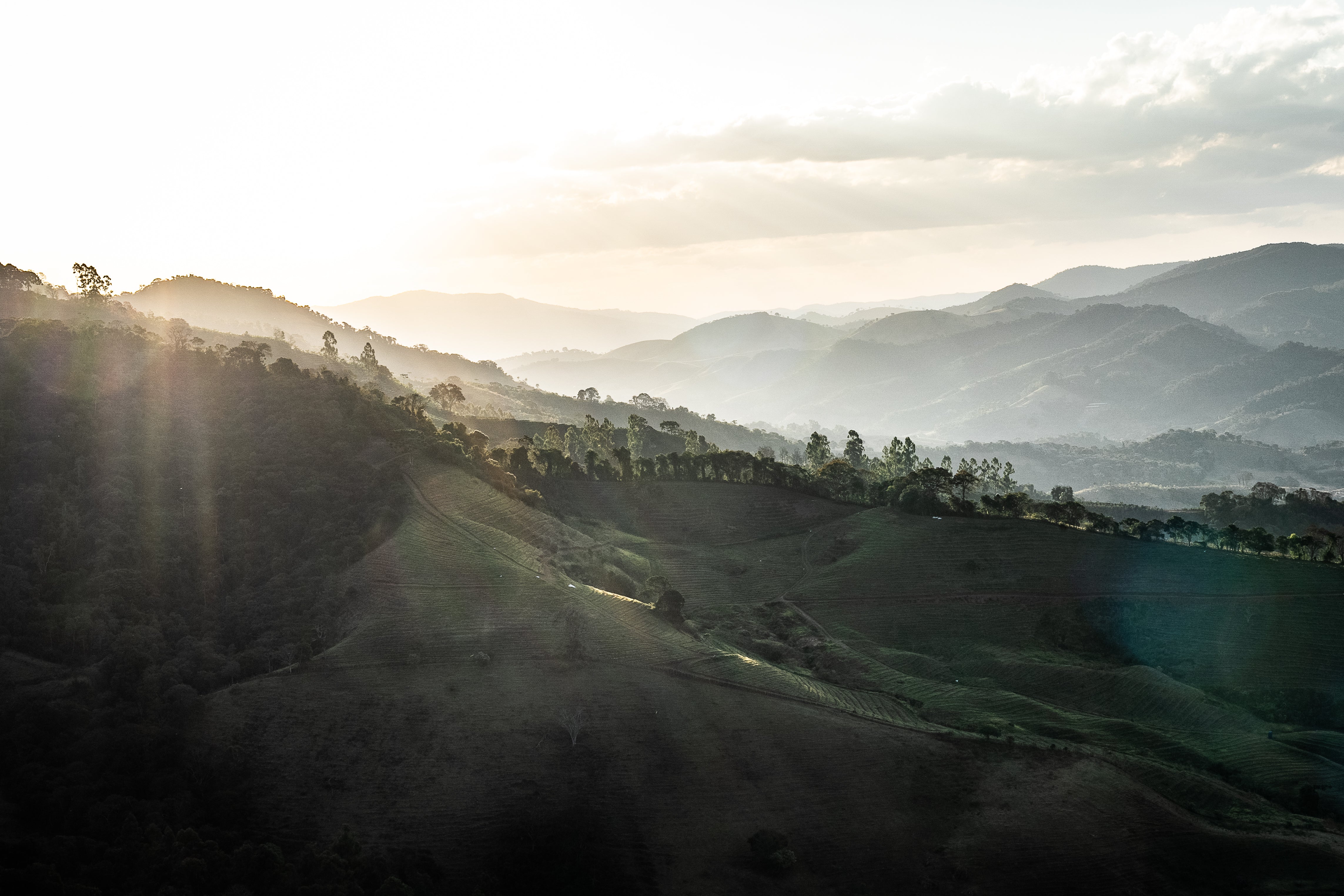
Fazenda de Moinho sits in the amazing Mantiqueira mountains of Minas Gerais, Brazil. 

Owned and farmed by Thalita Martins; she inherited the small holding from her uncle, Robson Vilela Martins. The family have been involved in coffee for many generations, owning four farms in the area, they’re loved and respected in the local coffee community.

The Fazenda is typical of this part of Brazil, where we find small estates in the high altitudes and rolling hills that are full of native shade trees, toucans and the prized Yellow Bourbon !

The name Mantiqueira comes from the indigenous Tupi-Guarani word ‘Amantikir’, best translated as “the mountains that cry”, a reference to the abundance of natural springs that flow through the region.

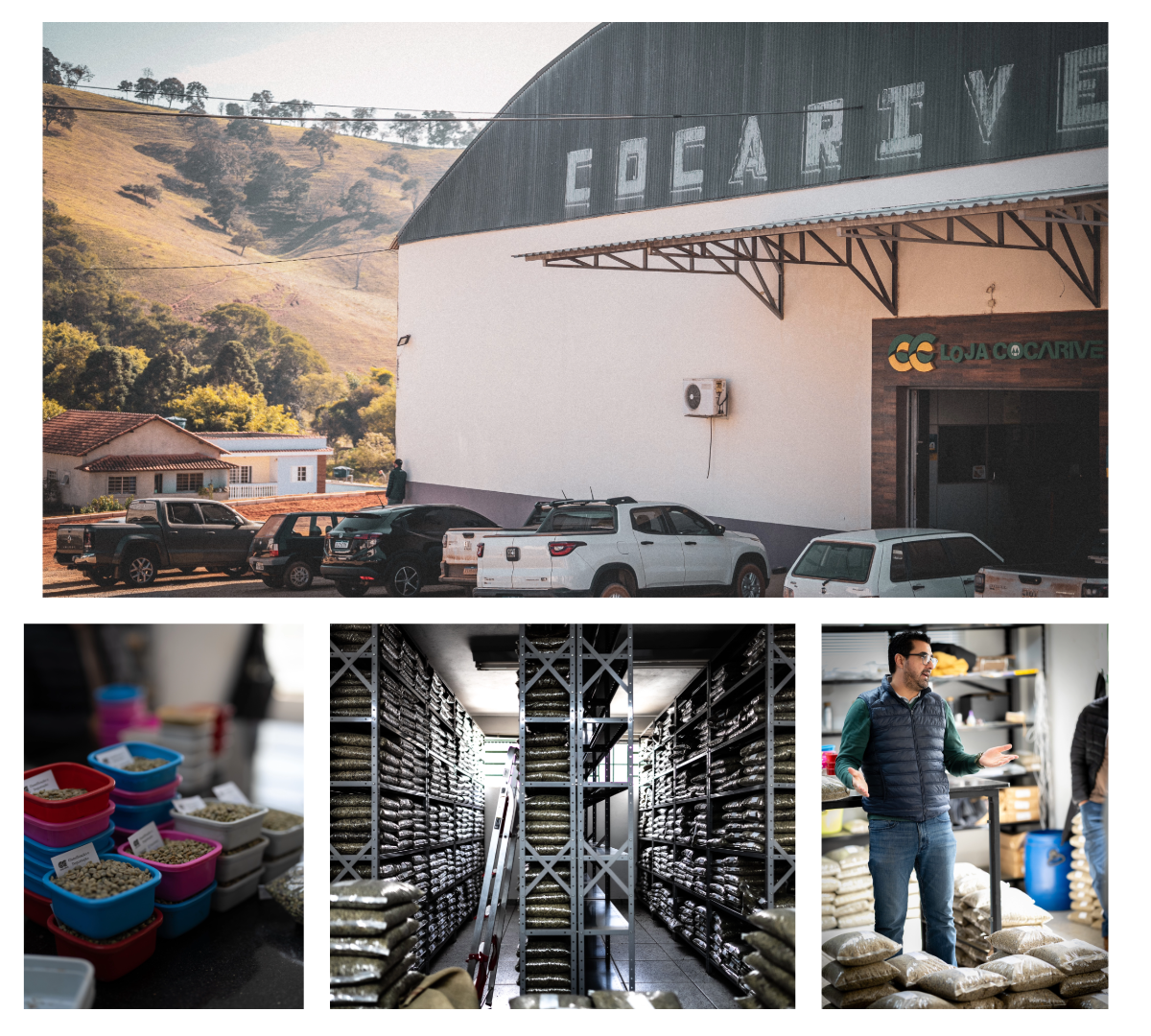
Sourced with the help of our partners in Brazil, Cocarive. Once picked the coffee is profiled under the guidance of ex-Brazilian cupping Champion Wellington Pereira before being prepared for export to our roastery.

Cocarive

Fazenda De Moinho was sourced with the help of our partners in Brazil, Cocarive. Cocarive are a co-operative that began in 1961; their work with members has resulted in numerous awards, including over 350 in Cup of Excellence competitions (holding the highest score ever awarded in any competition until very recently - 95.18 in 2014).

Cocarive have also been instrumental in placing Mantiqueira as the first region of Brazil to be issued a protected ‘denomination of origin’.

Co-op members coffees are picked and processed on their farms, before being brought to the Cocarive warehouse which is just outside São Lourenço. Coffees are then rigorously cupped and QC'd under the guidance of Wellington Pereira, AKA ‘Baba’ - a former Brazilian cupping Champion and a true force of nature! Baba was our host and it's safe to say we were in very good company.

Having spent a week with the team at Cocarive we found a cooperative valuing excellence, education, and family and left with the proud feeling of being some small part of a strong coffee community.

Sourcing in Brazil

Brazil is the biggest producer of arabica coffee in the world; with 25 counties in the region and 7,800 producers - 89% of which are smallholders. 

The Serra de Mantiqueira stretch across the states of São Paulo, Minas Gerais and Rio de Janeiro. Located in the Minas Gerais state, the Mantiqueira de Minas area was the first to get a geographical indication in the Brazilian coffee industry. This fresh approach, akin to ‘terroir’ in the wine industry, began to redefine how people viewed specialty coffee from Brazil. 

In Mantiqueira you'll see the lower altitudes will often be grazed by cattle, the generally steeper slopes (compared to other parts of the state) mean that the near ubiquitous mechanisation of the coffee industry in Brazil is much less commonly seen here, where hand picking is more prevalent. 

One of the other unique and significant features of the landscape is reflected in it’s name, which from the indigenous Tupi-Guarani word Amantikir, best translated as “the mountains that cry” - a reference to the abundance of natural springs that flow through the region. As such, the area is one of the most important sources of drinking water in Brazil’s South-East.

Mantiqueira comprises 69,500 hectares and altitude ranges from 900 to 1,500 masl, with a predominance of yellow varieties over the more typical red. All coffees are minimum 84 SCA points as part of the denomination and many enter the late harvest Cup of Excellence in Brazil.